
Category: Autonomous Vehicles, New Mobility & the Built Environment
-
C-Band 5G’s Threat to Aviation
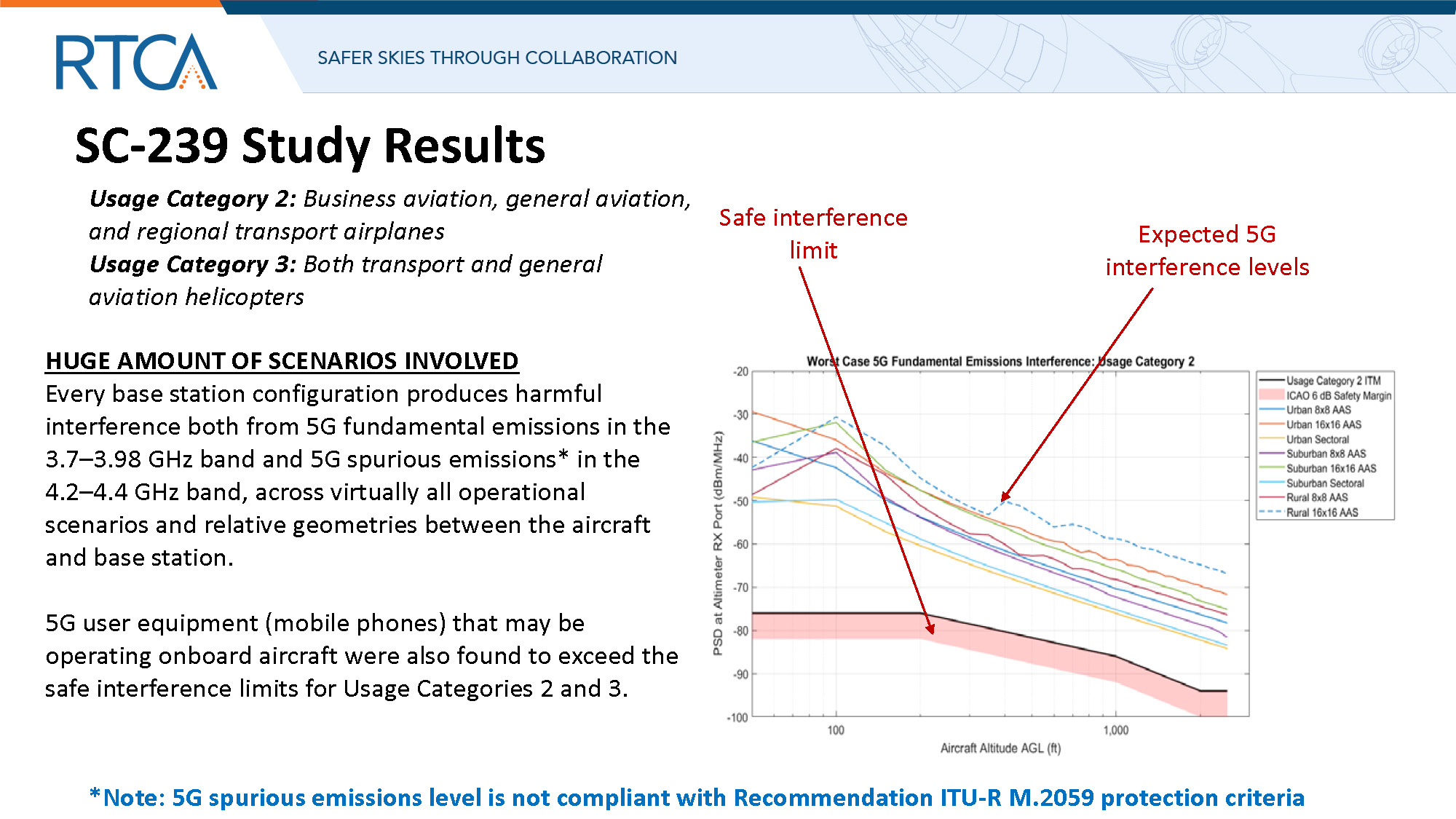
Note: The above explainer video from Alex Scerri was added on 12/2/20 Is the impeccable safety record of aviation threatened by the use of C-Band frequencies (specifically 3.7-3.98 GHz in the U.S.) for 5G? Yes, would be the conclusion one could draw from RTCA’s November 30th, 2020 webinar, Interference Risk to Radar Altimeters from Planned…
-

Cutting Edge, Automated Mobility at the Oldest National Park & Beyond
Mobility as an amenity is one way to characterize Beep’s autonomous transportation service. To paraphrase Princeton’s Dr. Kornhauser, Beep’s service is like a horizontal elevator connecting buildings spread out over a given area. In a sense, what Beep is offering is an extension of its sponsors’ customer experience. These are just a few takeaways from…
-

The Solar Passenger & Cargo Bike #CES2020
An electric assist bike that can be configured as a passenger or a cargo vehicle could be a game-changer for urban and/or mountainous rural areas. With solar panel charging its onboard batteries, it provides both low operational costs and low environmental impact. The innovation extends beyond the actual vehicle, as Wello is looking at a…
-

Innovation Around the Peachtree Corner
With autonomous vehicles of all types and a communications-to-everything infrastructure, Peachtree Corners, Georgia is a vision of the mobility and smart community future. An integral part of this relatively new Georgia community is a city-owned lab, the Curiosity Lab at Peachtree Corners. Approximately, 8,000 people work and 1,000 people live in the 500-acre boundaries of…
-

Making a Dumb Road, Smart #CES2020
Replacing passive lane reflectors with connected devices will transform highways from dumb to smart, promises Sharar Bahiri, Founder, Chairman & CTO of Valerann. Improving highway safety is the driving force behind Valerann’s quest to see their devices installed on highways around the world. An Active Device Instead of a Passive Reflector Their solar-powered units include…
-

Tires Built for MaaS & More #CES2020
Jon Kimpel, Executive Director, New Mobility Solution Engineering of Bridgestone, explains how they are designing tires for a world where vehicles last a million miles. The tires of the future won’t use air, will use much less rubber, and will be recyclable. This promises to create a much more sustainable and environmentally-friendly way for the…